TCTSY · 300-HOUR CERTIFICATION PROGRAM
Become a Certified TCTSY Facilitator
The world's most researched yoga-based approach to trauma care. Fully online. Built for clinicians, yoga professionals, and community providers working with survivors.
Approved for 26.5 ASWB CEUs · Yoga Alliance 300-hour RYS
También se ofrece completamente en español aquí.
Applications open October 21, 2026
Applications close August 15, 2027
Scholarship applications open Oct. 21, 2026 — close Feb. 15, 2027 at 5 p.m. EST
5 p.m. EST
300-Hour Certification Program
Become a Certified TCTSY Facilitator
The world’s most researched yoga-based approach to trauma care. Fully online. Built for clinicians, yoga professionals, and community providers working with survivors.
Next cohort
September 2027 – March 2028
-
Oct 21, 2026Applications & scholarship applications open
-
Feb 15, 2027 · 5 p.m. ESTDEI scholarship deadline
-
Aug 15, 2027Applications close
-
September 2027Cohort begins with a virtual opening weekend
300 hours over 28 weeks, about 12 hours a week, September to March. Tuition is $3,600 with payment plans and scholarships.
Approved for 26.5 social work CE credits through ASWB, and as a 300-hour school with Yoga Alliance.
Also offered fully in Spanish
-> Certificación en español.
300 hours over 28 weeks, about 12 hours a week, September to March. Tuition is $3,600 with payment plans and scholarships.
Approved for 26.5 social work CE credits through ASWB, and as a 300-hour school with Yoga Alliance.
Also offered fully in Spanish: Certificación en español.
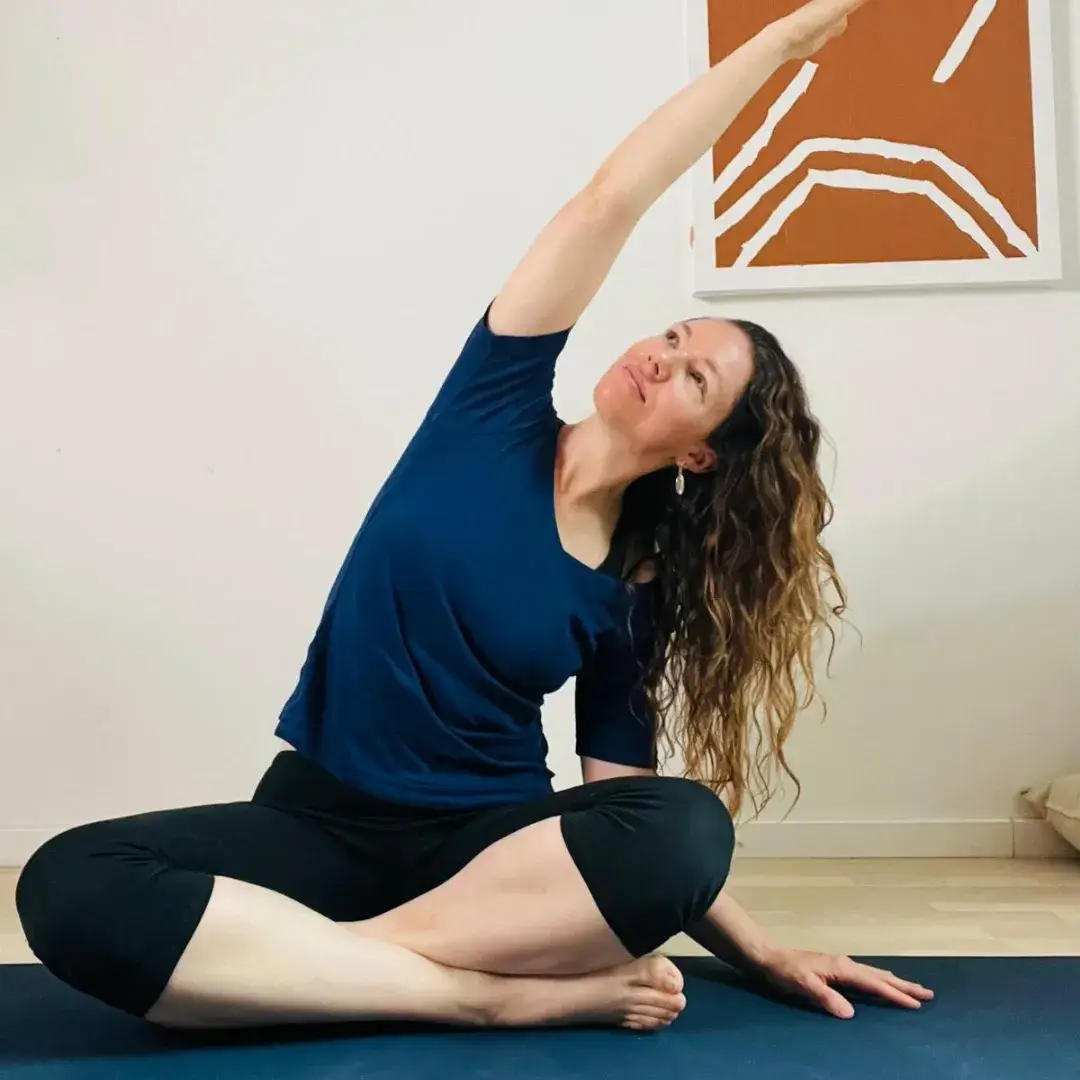
The research is what sets this apart.
TCTSY is the first and only scientifically validated, yoga-based clinical intervention for complex trauma and PTSD — developed over more than two decades of original research by the Center for Trauma and Embodiment. It brings together trauma theory, attachment theory, neuroscience, and an active commitment to equity and intersectionality in a methodology that works in clinical settings, community contexts, and independent practice around the world.
studies reviewed in a 2024 systematic review, which places TCTSY alongside Cognitive Processing Therapy as a top-tier PTSD intervention.
Campbell et al., Journal of Traumatic Stress
42.6%
higher treatment completion rate than CPT. A 2023 randomized controlled trial found TCTSY as effective as CPT for PTSD, with significantly higher participant retention.
JAMA Network Open
2014
Emerson et al. established the evidence basis for TCTSY and the rationale behind trauma-sensitive yoga models.
Journal of Clinical Psychiatry
40+
peer-reviewed publications across clinical, community and international settings, from 23 years of research.
Beyond learning how to offer a practice of healing for those processing trauma, the TCTSY certification program altered how I experience the world. Every touchpoint with CFTE has been an excellent experience provided by ethical individuals constantly striving to know better and do better. This program showed me a different way to teach yoga and a new use of language for all facets of my life. It's powerful.
— 2023 TCTSY-F Trainee
The research is what sets this apart.
TCTSY is the first and only scientifically validated, yoga-based clinical intervention for complex trauma and PTSD — developed over more than two decades of original research by the Center for Trauma and Embodiment. It brings together trauma theory, neuroscience, interoception, and an active commitment to equity and intersectionality in a methodology that works in clinical settings, community contexts, and independent practice around the world.
studies reviewed in a 2024 systematic review, which places TCTSY alongside Cognitive Processing Therapy as a top-tier PTSD intervention.
Campbell et al., Journal of Traumatic Stress
42.6%
higher treatment completion rate than CPT. A 2023 randomized controlled trial found TCTSY as effective as CPT for PTSD, with significantly higher participant retention.
JAMA Network Open
2014
Emerson et al. established the evidence basis for TCTSY and the rationale behind trauma-sensitive yoga models.
Journal of Clinical Psychiatry
40+
peer-reviewed publications across clinical, community and international settings, from 23 years of research.
Beyond learning how to offer a practice of healing for those processing trauma, the TCTSY certification program altered how I experience the world. Every touchpoint with CFTE has been an excellent experience provided by ethical individuals constantly striving to know better and do better. This program showed me a different way to teach yoga and a new use of language for all facets of my life. It’s powerful.
Who this is for
Certification serves professionals who already work with survivors, or who plan to bring this work into the setting they serve.
TCTSY is the only trauma-sensitive yoga methodology training with a significant focus on 1-1 peer support and mentorship.
The TCTSY Certification asks you to be fully present and engaged - this is not a passive learning experience.
Interested in a scholarship? You must first apply to the program and be accepted (including completing prerequisite training) before applying for a DEI.
APPLY NOWYoga teachers and bodyworkers
200-hr certified teachers ready to bring TCTSY into their scope of practice, grounded in trauma theory rather than just sequencing.
Social workers, therapists and mental health care professionals
Clinicians who want a body-based tool alongside talk therapy, without stepping outside their clinical scope.
Community leaders and educators
Those working in shelters, schools, or care settings where trauma is present and a body-based practice is currently missing.
Every applicant completes a Foundations training first. See prerequisite ➔
Continuing Education Credits
The TCTSY Certification Program is accredited by Yoga Alliance as a Registered Yoga School. It is also approved for ASWB continuing education credits for social workers — one of the more significant CE approvals for clinicians seeking body-based training hours.
26.5 · Association of Social Work Boards (North America)
Approved continuing education credits for licensed social workers.
ACE course approval period: April 1, 2025 - April 14, 2027.
For an overview of ACE credit modules and required readings, please see the syllabus here.
Testing Requirements
Those seeking ASWB or social work continuing education credit need to complete a post-test comprised of 141 questions. A passing score of 70% or higher is required. The test may be repeated as needed until June 15th of the course completion year.
Completion of the post-test is not required for non-CE seeking participants.
300 · Yoga Alliance (United States)
We are a Yoga Alliance approved 300-hour school. Graduates who have their RYT-200 designation can use our program to upgrade to RYT-500 status. Graduates who attain an RYT-200 designation after they complete the TCTSY Certification can apply for the RYT upgrade retroactively as long as they are actively certified in TCTSY at the time they apply. Please review the After Graduation section below for more information on maintaining your certification.
Continuing Education Credits
The TCTSY Certification Program is accredited by Yoga Alliance as a Registered Yoga School. It is also approved for ASWB continuing education credits for social workers — one of the more significant CE approvals for clinicians seeking body-based training hours.
ASWB CE credits
Association of Social Work Boards (North America). Approved for licensed social workers.
ACE course approval period: April 1, 2025 – April 14, 2027. See the syllabus for ACE credit modules and required readings.
Testing requirements +
Those seeking ASWB or social work CE credit complete a 141-question post-test. A passing score of 70% or higher is required. The test may be repeated as needed until June 15th of the course completion year.
The post-test is not required for non-CE seeking participants.
Yoga Alliance hours
A Yoga Alliance approved 300-hour school (United States). RYT-200 graduates can upgrade to RYT-500.
RYT-500 upgrade details +
Graduates who attain an RYT-200 designation after completing the TCTSY Certification can apply for the RYT upgrade retroactively, as long as they are actively certified in TCTSY at the time they apply. See After Certification for how to maintain your certification.
The people who will support you through the program.
Your learning is shaped by practitioners with decades of experience in trauma, yoga, embodiment, and social justice — not just course materials delivered asynchronously.

Lama Rod Owens
A Buddhist minister, author, and yoga instructor whose session brings a contemplative, liberation-centered dimension to trauma care — situating the work within questions of race, power, and embodied freedom.

Dr. Arielle Schwartz
A certified complex trauma professional and author of eight books on trauma recovery. Her session connects TCTSY to EMDR, somatic psychology, and applied polyvagal theory.
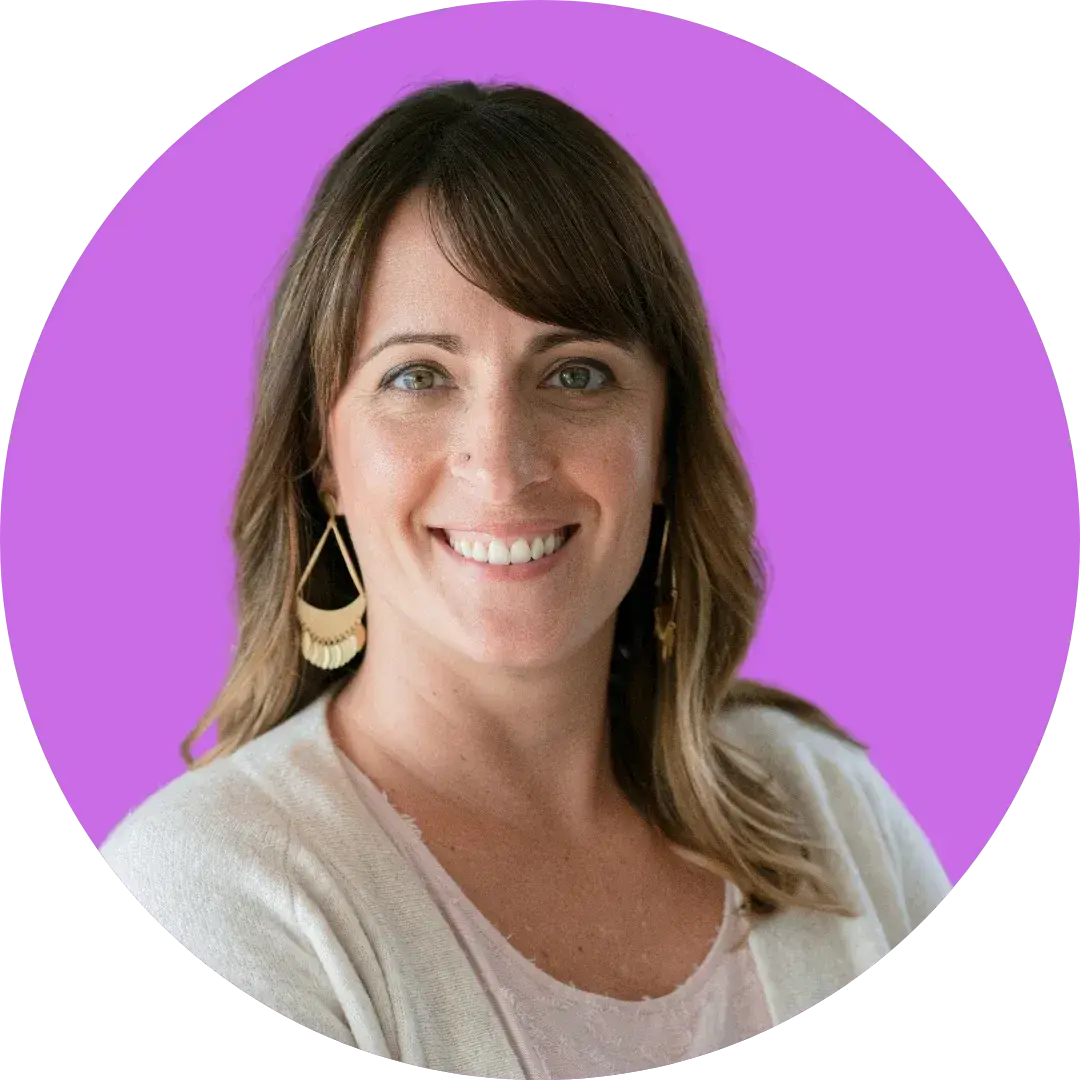
Jenn Turner
20+ years in trauma-informed care. Hosts On Trauma & Power.
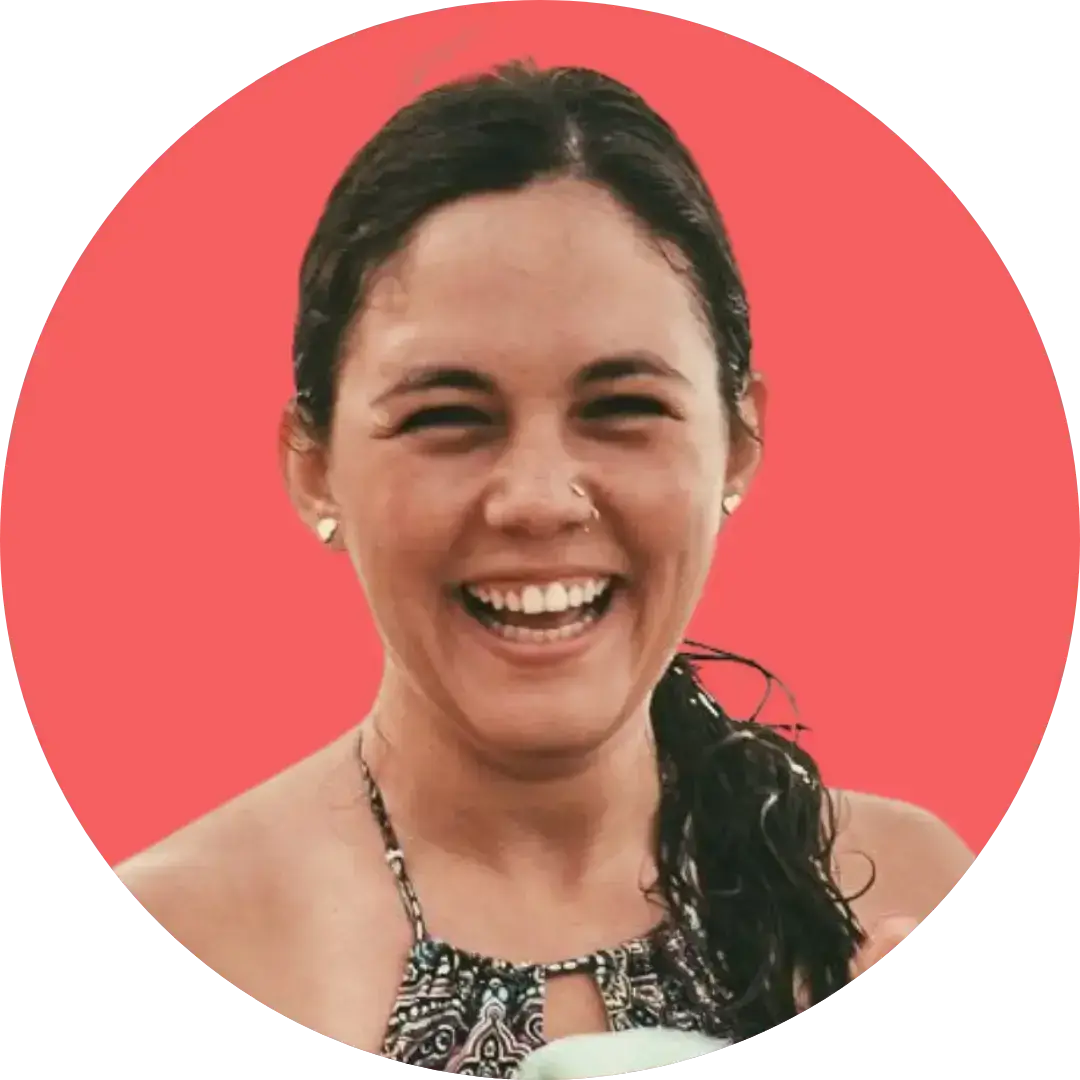
Krystal Peréz
Your main point of contact once enrolled.
Karen Schwartz
CE credit confirmations, records, and program operations.
Jenn Turner
LMHC, TCTSY-F · TCTSY Co-Founder · CFTE Executive Director
20+ years in trauma-informed care. Hosts On Trauma & Power.
Krystal Peréz
AMFT, TCTSY-F · Certification Program Coordinator
Your main point of contact once enrolled.
Karen Schwartz
LMSW, C-IAYT · CFTE Director of Operations
CE credit confirmations, records, and program operations.
What You'll Learn
Module 01 / 07
Trauma Theory
PTSD, complex trauma, and developmental trauma — types, diagnoses, and the physiological, emotional, and relational consequences in daily life. Includes the 7 domains of childhood trauma impairment and their effects across the lifecycle.
Module 02 / 07
Intersectionality, Oppression & Embodiment
How systems of oppression produce physical, emotional, and mental harm in trauma survivors. Students develop an intersectional lens for clinical and community practice, including analysis of bias and historically perpetuated prejudice.
Module 03 / 07
Neuroscience & Interoception, Parts I + II
Nervous system structure and function, the neurobiology of trauma, and the distinction between interoception and exteroception. Forms the physiological foundation for TCTSY's bottom-up approach to healing.
Module 04 / 07
Attachment Theory
Early relational experiences and their effect on nervous system development. How attachment shapes the therapeutic and group facilitation relationship, and how relational safety is built and disrupted.
Module 05 / 07
Trauma & Memory
How trauma is encoded and retrieved in the body and mind. Implicit and explicit memory, fragmentation, and what this means for body-based approaches to trauma recovery.
Module 06 / 07
Dosage & Titration
How to sequence and pace trauma-sensitive yoga appropriately — including pacing, the window of tolerance, and clinical considerations for populations with acute trauma histories.
Module 07 / 07
TCTSY Methodology
In-depth study of the proprietary methodology: invitational language, choice-making, noncoercion, interoception in practice, shared authentic experience, transference and countertransference in the facilitation relationship.
Need this for your employer, supervisor, or CE documentation? Download the full curriculum PDF →
Module 01 / 07
Trauma Theory
PTSD, complex trauma, and developmental trauma — types, diagnoses, and the physiological, emotional, and relational consequences in daily life. Includes the 7 domains of childhood trauma impairment and their effects across the lifecycle.
Module 02 / 07
Intersectionality, Oppression & Embodiment
How systems of oppression produce physical, emotional, and mental harm in trauma survivors. Students develop an intersectional lens for clinical and community practice, including analysis of bias and historically perpetuated prejudice.
Module 03 / 07
Neuroscience & Interoception, Parts I + II
Nervous system structure and function, the neurobiology of trauma, and the distinction between interoception and exteroception. Forms the physiological foundation for TCTSY’s bottom-up approach to healing.
Module 04 / 07
Attachment Theory
Early relational experiences and their effect on nervous system development. How attachment shapes the therapeutic and group facilitation relationship, and how relational safety is built and disrupted.
Module 05 / 07
Trauma & Memory
How trauma is encoded and retrieved in the body and mind. Implicit and explicit memory, fragmentation, and what this means for body-based approaches to trauma recovery.
Module 06 / 07
Dosage & Titration
How to sequence and pace trauma-sensitive yoga appropriately — including pacing, the window of tolerance, and clinical considerations for populations with acute trauma histories.
Module 07 / 07
TCTSY Methodology
In-depth study of the proprietary methodology: invitational language, choice-making, interoception in practice, shared authentic experience, transference and countertransference in the facilitation relationship.
Need this for your employer, supervisor, or CE documentation? Download the full curriculum PDF →
Program structure and timeline
28 weeks, start to finish. September through March, with a short winter break.
We use Kajabi’s learning management system to host the course. Access to a computer or mobile device running its latest software is required. All recorded course materials have been created within the past 1-2 years, with the exception of the practice and discussion sessions which are recorded weekly. 50% of required readings have been published within the past 5 years.
This is not a self-paced course. There are live weekly meetings you're expected to attend. Beyond that, you're responsible for completing that week's asynchronous course materials — readings, recorded seminar, assignments — before the next module opens. 100% Completion is required in order to progress.
Orientation materials, community platform access, and pre-reading to set context before the cohort begins.
Live, synchronous start to the program before weekly modules begin.
14 weekly modules, bi-weekly writing assignments, dyad/mentor meetings begin.
Fall Module Overview
- Trauma Theory
- Intersectionality, Oppression & Embodiment
- Neuroscience & Interoception, Part I
- Neuroscience & Interoception, Part II
- Attachment Theory
- Trauma & Memory
- Dosage & Titration
- TCTSY Methodology
- Transference & Countertransference
- Facilitation Skills: Practicum & Peer Review
- Working with Groups
- Cultural Responsiveness in TCTSY
- Facilitator Self-Care & Sustainability
- Fall Synthesis & Preparation for Spring
No modules or live meetings.
11 weekly modules, continued writing assignments and mentor meetings, practicum hours deepen.
Winter/Spring Module Overview
- Advanced TCTSY Methodology
- Working with Specific Populations
- Research Foundations & Evidence Base
- Practicum: Individual Facilitation
- Supervision & Reflective Practice
- Ethical Practice & Scope of Practice
- Community & International Contexts
- Lama Rod Owens: Contemplative Perspectives on Healing
- Dr. Arielle Schwartz: Somatic Psychology & EMDR
- Integration & Portfolio Preparation
- Spring Synthesis & Closing Practice
Live closing weekend — final synthesis, community celebration, and certification completion.
Upon completing all requirements, you receive your TCTSY Facilitator certification from CFTE.
-
1
August
Pre-program preparation
Orientation materials, community platform access, and pre-reading to set context before the cohort begins.
-
2
Early September
Intensive opening weekend
Live, synchronous start to the program before weekly modules begin.
-
3
September – December
Fall modules
14 weekly modules, bi-weekly writing assignments, dyad/mentor meetings begin.
View all 14 modules ↓
- Trauma Theory
- Intersectionality, Oppression & Embodiment
- Neuroscience & Interoception, Part I
- Neuroscience & Interoception, Part II
- Attachment Theory
- Trauma & Memory
- Dosage & Titration
- TCTSY Methodology
- Transference & Countertransference
- Facilitation Skills: Practicum & Peer Review
- Working with Groups
- Cultural Responsiveness in TCTSY
- Facilitator Self-Care & Sustainability
- Fall Synthesis & Preparation for Spring
-
Mid-December – early January
Winter break
No modules or live meetings.
-
4
January – March
Winter/spring modules
11 weekly modules, continued writing assignments and mentor meetings, practicum hours deepen.
View all 11 modules ↓
- Advanced TCTSY Methodology
- Working with Specific Populations
- Research Foundations & Evidence Base
- Practicum: Individual Facilitation
- Supervision & Reflective Practice
- Ethical Practice & Scope of Practice
- Community & International Contexts
- Lama Rod Owens: Contemplative Perspectives on Healing
- Dr. Arielle Schwartz: Somatic Psychology & EMDR
- Integration & Portfolio Preparation
- Spring Synthesis & Closing Practice
-
5
Late March
Closing intensive
Live closing weekend — final synthesis, community celebration, and certification completion.
-
6
April
Certification awarded
Upon completing all requirements, you receive your TCTSY Facilitator certification from CFTE.
Course platform & materials +
We use Kajabi’s learning management system to host the course. Access to a computer or mobile device running its latest software is required. All recorded course materials have been created within the past 1–2 years, except the practice and discussion sessions, which are recorded weekly. 50% of required readings have been published within the past 5 years.
Online, asynchronous, and cohort-based. Not self-paced.
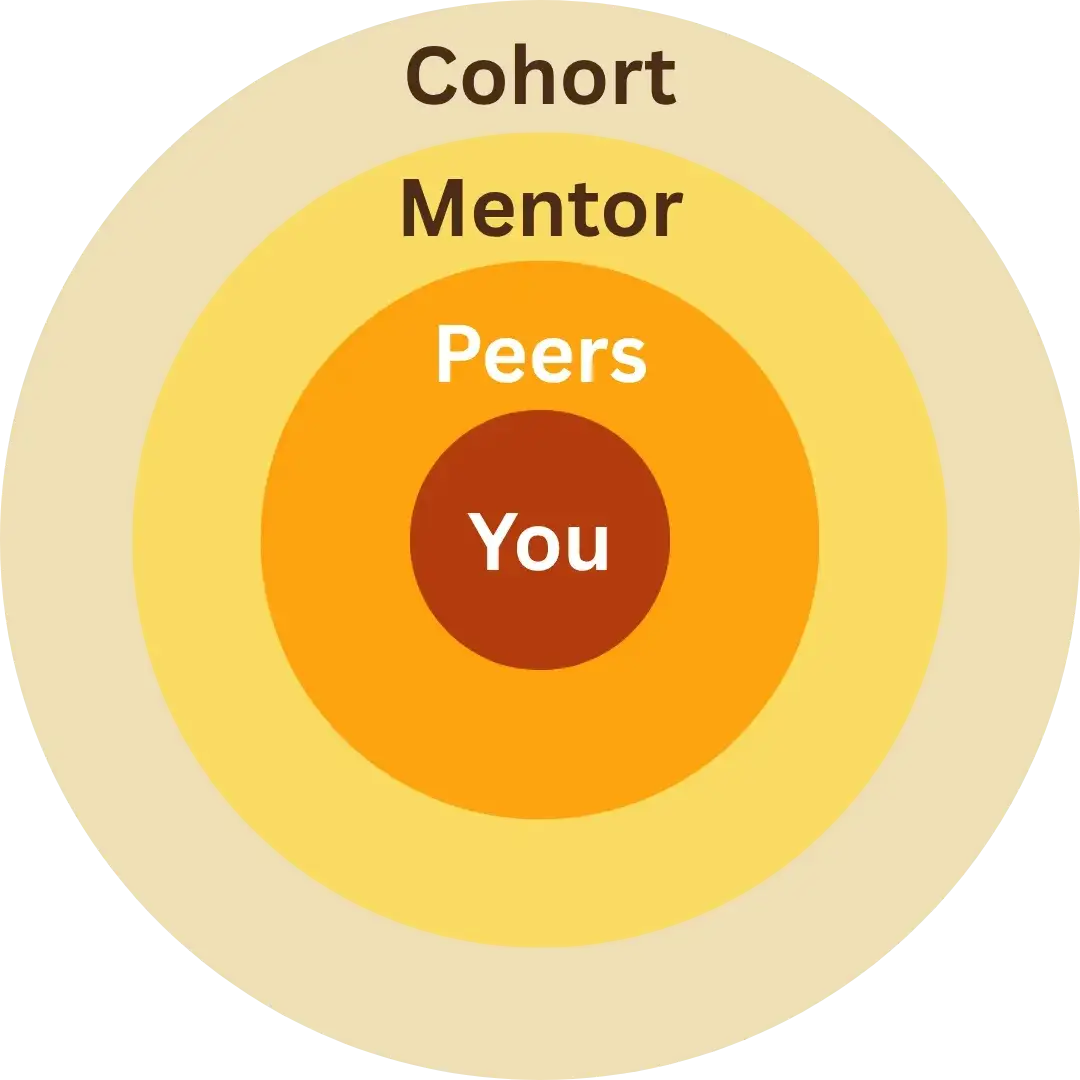
TCTSY is the only trauma-sensitive yoga certification with structured 1-on-1 mentorship and peer support built into the program. This is not supplementary. It is the model.
Peer support
Each participant is paired with 1–3 other students for weekly peer-to-peer meetings. TCTSY is the only trauma-sensitive yoga certification with this level of structured interdisciplinary peer learning built in.
Mentorship
A program mentor joins your peer group approximately every other week. Each participant receives 3 hours of individual mentorship.
Live meetings
Required. Weekly. Showing up is central to how TCTSY is learned and practiced. Participants can estimate a commitment of 12 hours per week to complete assignments and review materials. This time may vary based on content and individual learning style.
Special Project & Certificate of Completion
A special project is required and is due by mid-March (topic TBD by student and their mentor).
100% of the course must be completed in order to receive your certificate.
Facilitation Practice
Starting in January, you'll record eight 10-minute facilitation videos to review with your mentor — practicing alone or with a friend/family member, never with a live client.
Special Discussion Groups
CFTE & TCTSY Co-Founders Dave Emerson and Jenn Turner are hosting discussion forward book clubs on both "Trauma and Recovery" by Judith Herman, and "Trauma Stewardship" by Laura van Dernoot Lipsky & Connie Burk. These are both required readings during Certification Training.
One prerequisite: 20-Hour Foundations Training
All applicants must complete a TCTSY Foundations Training before their application can be reviewed — regardless of prior training or experience in yoga or trauma. Applications may be submitted before Foundations is complete, but will be held on a waitlist until it is.

Peer support
Each participant is paired with 1–3 other students for weekly peer-to-peer meetings — structured interdisciplinary peer learning, built in.

Mentorship
A program mentor joins your peer group approximately every other week. Each participant receives 3 hours of individual mentorship.

Live meetings
Required. Weekly. Showing up is central to how TCTSY is learned and practiced. Plan on about 12 hours per week for assignments and materials; this may vary by content and learning style.

Special project & certificate
A special project is required, due by mid-March (topic set by you and your mentor). 100% of the course must be completed to receive your certificate.

Facilitation practice
Starting in January, you’ll record eight 10-minute facilitation videos to review with your mentor — practicing alone or with a friend or family member, never with a live client.

Special discussion groups
Co-founders Dave Emerson and Jenn Turner host discussion-forward book clubs on Trauma and Recovery by Judith Herman and Trauma Stewardship by Laura van Dernoot Lipsky & Connie Burk — both required readings.
ONE PREREQUISITE
20-Hour Foundations Training
All applicants must complete a TCTSY Foundations Training before their application can be reviewed, regardless of prior training or experience in yoga or trauma. You can apply before Foundations is complete; your application will be held on a waitlist until it is.
Find A Foundations Training ->Where TCTSY-Facilitators are doing this work
Dr. Desmonette Hazly
Los Angeles, CA
Works with chronically ill trauma survivors.
Clare Pritchard
Australia
Works with sexual assault survivors.
Lebanon & the West Bank
Refugee Communities
TCTSY Community Leaders facilitate with displaced Syrian and Palestinian communities. The methodology has been adapted into Arabic — new vocabulary was created and added to Modern Standard Arabic.
Outpatient & Private Practice
Clinical Settings
Therapists, social workers, and psychologists bring TCTSY into their clinical scope as an adjunct or primary body-based intervention for complex PTSD and developmental trauma.
Juvenile Justice & Foster Care
Justice-Involved Youth
Certified facilitators have built programs inside juvenile justice settings and foster care systems, working with populations where standard trauma interventions routinely fail.
Military & VA Settings
Veteran Communities
TCTSY has been offered alongside VA services for veterans experiencing PTSD. Its non-directive structure suits populations where autonomy is central to healing.
DV Shelters & Rape Crisis Centers
Survivors of Sexual Violence
TCTSY was originally developed with survivors of sexual violence and interpersonal trauma. Facilitators continue to work in DV and SA programs worldwide.
Indigenous & Land-Based Contexts
First Nations Communities
TCTSY is active across First Nations communities in North America, adapted using Two-Eyed Seeing — holding Western research and Indigenous knowledge with equal respect.
Where TCTSY-Facilitators are doing this work
Refugee Communities
TCTSY Community Leaders facilitate with displaced Syrian and Palestinian communities. The methodology has been adapted into Arabic — new vocabulary was created and added to Modern Standard Arabic.
Clinical Settings
Therapists, social workers, and psychologists bring TCTSY into their clinical scope as an adjunct or primary body-based intervention for complex PTSD and developmental trauma.
Justice-Involved Youth
Certified facilitators have built programs inside juvenile justice settings and foster care systems, working with populations where standard trauma interventions routinely fail.
Veteran Communities
TCTSY has been offered alongside VA services for veterans experiencing PTSD. Its non-directive structure suits populations where autonomy is central to healing.
Survivors of Sexual Violence
TCTSY was originally developed with survivors of sexual violence and interpersonal trauma. Facilitators continue to work in DV and SA programs worldwide.
First Nations Communities
TCTSY is active across First Nations communities in North America, adapted using Two-Eyed Seeing — holding Western research and Indigenous knowledge with equal respect.
Costs & Enrollment
Tuition
DEI Scholarships
Up to 5 full scholarships awarded each year as part of our commitment to expanding who delivers this work.
Choose Your Cohort
Choose which cohort works best for you based on location or time-zone/language preference.
While we can provide video captions in multiple languages, you must have proficiency in reading, writing, and speaking English for participation in the North American, European, and Australasian training cohorts.
That said, there are Program Mentors who can support German, Dutch, Italian, French, Danish, and Chinese language speakers. Please indicate in your application if you prefer one of these languages in addition to English.
| Cohort | Best For | Language | Tuition |
|---|---|---|---|
| North America | Eastern–Pacific time zones | English (support available for several languages) | $3,600 + $125 |
| Europe | CET-adjacent time zones | English | $3,600 + $125 |
| Australasia | AEDT-adjacent time zones | English | $3,600 + $125 |
| Spanish-Speaking | Primarily Latin America, or working with Spanish-speaking populations | Español | $2,000 + $80 |
Want this in one document?
Download the full Program Guide — curriculum, dates, cost, and policies in one PDF.
Up to 5 full scholarships each year
Awarded as part of our commitment to expanding who delivers this work. All interested candidates must apply to the program and first be accepted.
Choose Your Cohort
Choose which cohort works best for you based on location or time-zone/language preference.
North America
$3,600 + $125Best for: Eastern–Pacific time zones
Language: English (support available for several languages)
Europe
$3,600 + $125Best for: CET-adjacent time zones
Language: English
Australasia
$3,600 + $125Best for: AEDT-adjacent time zones
Language: English
Spanish-Speaking
$2,000 + $80Best for: Primarily Latin America, or working with Spanish-speaking populations
Language: Español
Certificación en español →Language requirements & mentor support +
While we can provide video captions in multiple languages, you must have proficiency in reading, writing, and speaking English for the North American, European, and Australasian cohorts.
Program Mentors can support German, Dutch, Italian, French, Danish, and Chinese speakers. Indicate in your application if you prefer one of these languages in addition to English.
Want this in one document?
Download the full Program Guide
Curriculum, dates, cost, and policies in one PDF.
Please note: The TCTSY Certification Program is a professional and educational training, and is not meant to be used for personal healing.
The program requires participants to review and reflect deeply on trauma-related material throughout the length of the program. We encourage interested applicants to reflect on their degree of readiness to engage with this ongoing exposure to trauma material.
Pay in Full · $3,725
Submit your application and, once accepted, complete one payment. Due within 14 days of acceptance.
Most candidates take this path.
Payment Plan · $725 to start
First payment due within 14 days of acceptance, then 5 payments of $600 every 30 days.
The application process
Submit application
Foundations training must be complete, or in progress with your application held until it is.
7–14 day review
You'll be notified of your applicant status by email.
Receive Acceptance
Choose Path A or Path B based on your situation.
First payment or deposit
Due within 14 days of acceptance.
Program begins
September, with a Virtual Opening Weekend the first weekend of the month.
Please note: The TCTSY Certification Program is a professional and educational training, and is not meant to be used for personal healing.
The program requires participants to review and reflect deeply on trauma-related material throughout the length of the program. We encourage interested applicants to reflect on their degree of readiness to engage with this ongoing exposure to trauma material.
Pay in full
$3,725
One payment, due within 14 days of acceptance.
Spanish-Speaking cohort: $2,080
Payment plan
$725 to start
First payment due within 14 days of acceptance, then five payments of $600 every 30 days.
Spanish-Speaking cohort: $480, then four payments of $400
Payment links are sent by email once your application has been reviewed.
Interested in a DEI scholarship? All candidates must apply to the program first. Once accepted, hold your place with a $125 deposit, fully refunded if you’re awarded. Deadline: February 15, 5 p.m. EST.
ACCESS application →The application process
-
1
Submit your application
Foundations training must be complete, or in progress with your application held until it is.
-
2
7–14 day review
You’ll be notified of your applicant status by email.
-
3
Receive acceptance
Choose Path A (pay in full) or Path B (payment plan). Your payment link arrives by email.
-
4
First payment or deposit
Due within 14 days of acceptance.
-
5
Program begins
September, with a Virtual Opening Weekend the first weekend of the month.
After Certification: Continuing Your Journey
Becoming a TCTSY Facilitator is the start of an ongoing journey. You are invited to join a global movement of practitioners committed to bringing body-based trauma care to diverse contexts of healing. As an evidence-based treatment model, TCTSY sets global standards in trauma care and affirms your professional role within the field.
TCTSY-F is a credential in a method, not a business plan. What you build with it is yours to shape, the same way it would be with any specialized training layered onto a practice you already run. Where this program puts real weight behind you is making sure you're not doing that without backup.
Benefits of Renewal
Professional visibility
Featured on the TCTSY website, reaching 100,000+ annual visitors.
See the directory →
Mentorship
One free consultation with a senior mentor every renewal cycle, plus access to ongoing mentorship programs that deepen your professional growth.
Ready-to-use materials
Outreach resources and marketing assets to assist in your entrepreneurial efforts.
Global community
Peer reflection groups and a worldwide network of facilitators.
Exclusive Resources
Share our half-day training module in your community with no revenue-sharing requirements.
TCTSY-F Portal
Graduating gives you two years of full access to the dedicated Facilitator community portal.
- Free monthly CE seminars on trauma, neuroscience, and yoga philosophy.
- Live and recorded TCTSY practices for your own wellbeing, not just your clients'.
- Ready-to-use outreach materials and marketing assets
- Opportunities to join peer reflection groups.
Steps to Stay Certified
To maintain your certification as a TCTSY Facilitator, beginning two years after graduation, you will complete each year:
13.5 hours of trauma-related CEUs per year — free monthly seminars count. You may also apply hours from outside trauma-related training or the annual CFTE Conference.
Sliding scale, $0–150 USD, adjusted by country for equity in access.
One free 45-minute consultation with a senior mentor (optional).
Ongoing adherence to our Ways of Being.
For any questions about this process, please contact our Graduate Community Coordinator at [email protected]
After Certification: Continuing Your Journey
Becoming a TCTSY Facilitator is the start of an ongoing journey. You are invited to join a global movement of practitioners committed to bringing body-based trauma care to diverse contexts of healing. As an evidence-based treatment model, TCTSY sets global standards in trauma care and affirms your professional role within the field.
TCTSY-F is a credential in a method, not a business plan. What you build with it is yours to shape, the same way it would be with any specialized training layered onto a practice you already run. Where this program puts real weight behind you is making sure you're not doing that without backup.
Benefits of Renewal
Professional visibility
Featured on the TCTSY website, reaching 100,000+ annual visitors. See the directory →
Mentorship
One free senior-mentor consultation each renewal cycle, plus ongoing mentorship programs.
Ready-to-use materials
Outreach resources and marketing assets for your entrepreneurial efforts.
Global community
Peer reflection groups and a worldwide network of facilitators.
Exclusive resources
Share our half-day training module in your community, no revenue-sharing required.
TCTSY-F Portal
Two years of full access to the Facilitator community portal.
Inside the portal
Free monthly CE seminars on trauma, neuroscience, and yoga philosophy.
Live and recorded TCTSY practices for your own wellbeing, not just your clients’.
Ready-to-use outreach materials and marketing assets.
Opportunities to join peer reflection groups.
Steps to Stay Certified
To maintain your certification as a TCTSY Facilitator, beginning two years after graduation, you will complete each year:
13.5 hours of trauma-related CEUs per year — free monthly seminars count. You may also apply hours from outside trauma-related training or the annual CFTE Conference.
Sliding scale, $0–150 USD, adjusted by country for equity in access.
One free 45-minute consultation with a senior mentor (optional).
Ongoing adherence to our Ways of Being.
For any questions about this process, please contact our Graduate Community Coordinator at [email protected]
Frequently Asked Questions
What are the requirements to enroll in the 300-hour certification program?
Our program is open to certified 200-hour yoga professionals, mental health and health care professionals and community providers working in a community that has experienced trauma (we ask that these individuals be affiliated with an organization that can provide them with support).
All candidates must have completed the Foundations in TCTSY training to be eligible for the program.
I've already worked with trauma for years. Do I still need Foundations first?
Yes. Everyone must complete the pre-training requirement, regardless of prior education, training or experience. A large part of our emphasis is on building relationship through these experiences, not solely on providing content. Foundations is also a way to see whether this model feels right for you.
How do I apply?
Applications for 2027-2028 open October 21st, 2026. The application form is HERE.
You must have completed your foundational training and meet eligibility requirements before your application can be reviewed.
When does the next cohort begin?
The 2027-28 training program will run from September 11, 2027 through March 25, 2028. Applications open October 21st, 2026.
What cohort should I apply for?
We have North American, European, Australasian and Spanish Community cohorts. Candidates are placed in the cohort that is most aligned with where they will be living or working during the course of the program.
How much does the program cost?
Program tuition is $3,600 USD plus a one-time, non-refundable administration fee of $125 USD. Tuition for Spanish Community candidates living in Latin America is $2,000 USD plus an administration fee of $80 USD.
Tuition can be paid all at once, or candidates can opt for the payment plan, which includes an initial payment of $725 and five subsequent payments of $600 every 30 days from the date of the first payment. The initial payment is due within two weeks of acceptance.
Spanish Community tuition can be paid all at once, or candidates can opt for the payment plan, which includes an initial payment of $480 USD and four subsequent payments of $400 every 30 days from the date of the first payment. The initial payment is due within two weeks of acceptance.
Do you offer scholarships or financial aid?
We offer a limited number of Diversity, Equity and Inclusion full scholarships each year. You're welcome to scroll down to the Financial Policies section of our website here for more information and to see if you qualify.
You must first apply and be accepted to the program (including completing prerequisite training) before applying for a DEI. The deadline for DEI applications is February 15th, 5 p.m. EST, no exceptions.
We also offer a limited number of $500 needs-based tuition assistance grants each year. After applying and being accepted to the program, you're welcome to send an email to [email protected] detailing your request. Decisions are made on or about June 1st.
Are there scholarships for the prerequisite Foundations training?
CFTE does not offer scholarships for prerequisite training, however our 20-hour trainers often offer a limited number of scholarships per training. You are welcome to inquire about details directly with the individual trainer.
What is the Spanish Community Program?
Our Spanish Community program is for candidates who live and work primarily in Latin America and/or who will be working primarily with a Spanish speaking population. It runs concurrently with our larger certification program. Tuition for Spanish Community candidates living in Latin America is $2,080 USD; tuition for Latinx candidates living inside the U.S., European or Australasian regions is $3,725 USD.
Prerequisite training, program structure and requirements are the same as those of the overall certification program.
How long does my certification last?
Certification, and the corresponding TCTSY-F designation, are valid for a period of two years post-graduation.
After that first two year period, all TCTSY-F's are required to re-certify annually to maintain the designation.
How do I remain certified as a TCTSY Facilitator?
TCTSY-F's are invited to renew your certification on an annual basis, starting two years after your original graduation date.
The renewal process requires:
- 13.5 hours of continuing education,
- remit annual dues
- Practice in accordance with our Ways of Being (a.k.a. Code of Conduct).
As part of our certification renewal program, we offer monthly seminars for free that you can use for your CEUs (you can attend live or watch recordings). You are welcome to watch a total of 9 seminars, or use outside trauma-related training. You may also attend our annual Conference on Trauma & Embodiment to satisfy CEU hours.
More information will be given to you regarding our certification renewal program during the training.
What support do you offer for program graduates?
TCTSY-Fs who maintain certification will have free access to our ongoing series of continuing education seminars, information on current research and opportunities to build community by joining an optional peer reflection group. We also offer a fee-based Mentorship Program for ongoing support from Program Mentors beyond the certification.
Filling your calendar and running the business side is the part that's yours, same as with any specialized training added to existing work.
Is your program accredited by Yoga Alliance?
We are accredited by Yoga Alliance as a 300-hour RYS.
Will I be able to work full time and take the course?
Most candidates do. Plan for roughly 12 hours a week, including one live Saturday session — worth mapping against your other commitments before applying, since this is not self-paced and can't be caught up in one weekend.